
Interior Design
What Luxury Really Means in Interior Design (And How to Achieve It)
25 April 2026 · By Arwa
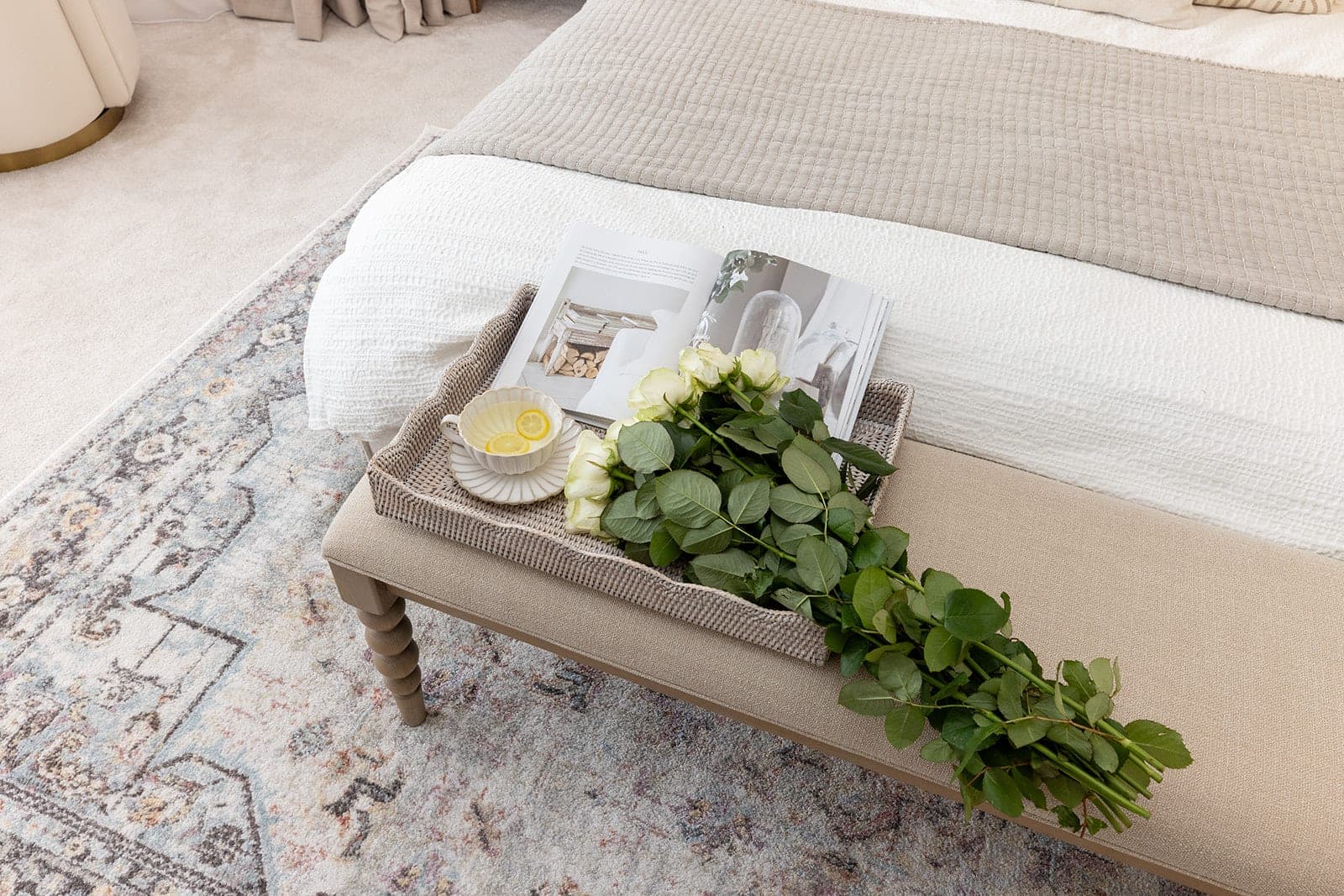
When we think of luxury interiors, it is easy to picture expensive furniture, statement lighting, premium finishes, and beautifully styled rooms. But true luxury is not defined by how much you spend.
It is defined by how thoughtfully a space is designed.
A luxurious home should feel effortless, considered, comfortable, and deeply personal. Every element should have a purpose, from the way you move through a room to the materials you touch, the lighting you experience, and the details you notice over time.
At Babylon Design Studio, we believe luxury is not simply about creating a beautiful space. It is about creating a home that works beautifully for the people living in it.
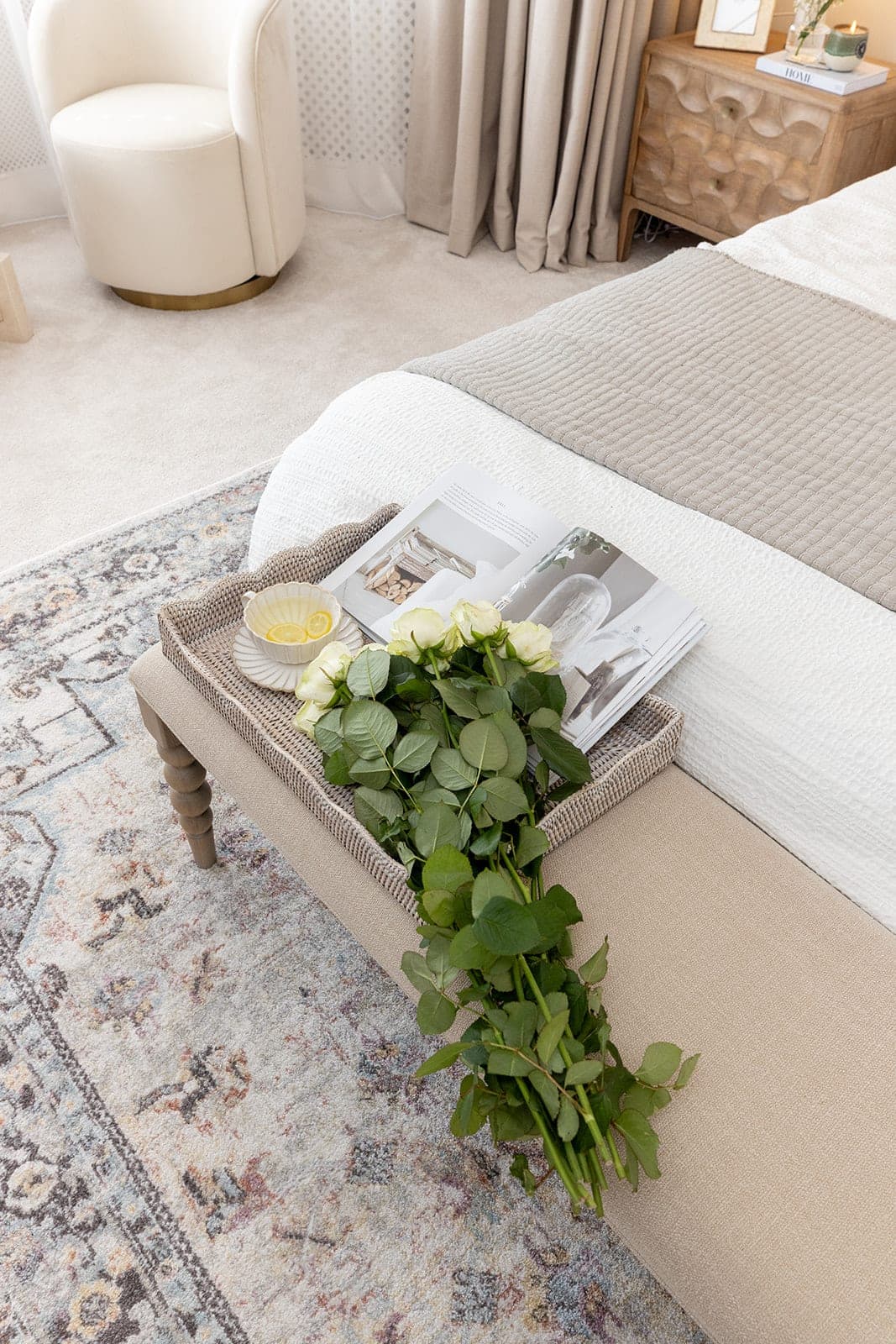
What Luxury Is Not
Luxury does not automatically mean choosing the most expensive furniture or filling a home with designer pieces.
It is not about following every new interior trend.
And it certainly is not about adding more decoration simply to make a space appear impressive.
In fact, some of the most sophisticated interiors are also the most restrained.
True luxury comes from balance. It is found in thoughtful planning, quality materials, considered proportions, functionality, craftsmanship, and the confidence to know when a space has enough.
What Luxury Actually Looks and Feels Like
1. Space That Flows Naturally
Before choosing furniture, colours, or finishes, a well designed interior begins with understanding the space itself.
How do you enter the room? Where does your eye naturally travel? How do you move between different areas? Does the furniture support the way you actually live?
Luxury begins when these questions have been considered.
A successful layout should feel intuitive rather than forced. Furniture should have room to breathe. Walkways should feel natural. Different areas should connect without competing with one another.
When the spatial planning is right, you may not immediately notice why the room works so well.
You simply feel comfortable in it.
That effortless feeling is one of the foundations of luxury.
2. Layered Materials That Create Depth
Beautiful interiors are rarely built around a single texture or finish.
Luxury comes from layering materials in a way that creates richness without making the room feel overwhelming.
Natural stone can sit alongside warm timber. Smooth surfaces can be balanced with tactile fabrics. Metal details can introduce contrast against softer materials. Upholstery, rugs, curtains, wall finishes, and joinery can all contribute another layer.
The goal is not to use as many materials as possible.
It is to choose materials that complement one another and give the space visual and tactile depth.
This is what makes a room feel considered rather than simply decorated.
3. Lighting That Changes the Experience of a Room
Lighting is one of the most powerful elements in interior design, yet it is often treated as an afterthought.
A beautifully designed room can feel completely different depending on how it is illuminated.
Luxury lighting is layered.
It considers natural daylight, general lighting, task lighting, decorative fixtures, and softer ambient lighting. Together, these layers allow the atmosphere of a room to change throughout the day.
A kitchen needs practical illumination, but it can still feel warm and inviting in the evening. A living room may need brighter lighting at certain times while becoming softer and more intimate later.
Good lighting does more than help you see a space.
It helps you experience it.
4. Details That Feel Intentional
Luxury often reveals itself in the smallest details.
The profile of a piece of bespoke joinery. The way two materials meet. The proportion of a handle. The finish of a tap. The alignment of cabinetry. The placement of a socket or switch.
Individually, these choices may seem small.
Together, they determine whether an interior feels ordinary or carefully resolved.
This is also where craftsmanship becomes important. Rather than relying solely on statement pieces to create impact, a sophisticated interior pays attention to the elements that will be seen, touched, and used every day.
The best details do not always demand attention.
They quietly elevate the entire space.
5. A Calm and Cohesive Feel
One of the clearest signs of a thoughtfully designed home is cohesion.
Each room can have its own personality, but the home should still feel connected.
Colours, materials, proportions, furniture, architectural details, and lighting should speak the same visual language. There should be a sense of continuity as you move from one space to another.
This does not mean everything needs to match.
In fact, overly coordinated interiors can sometimes feel flat.
Cohesion is about creating relationships between different elements so that nothing feels accidental or disconnected.
The result is a home that feels calm, balanced, and complete.
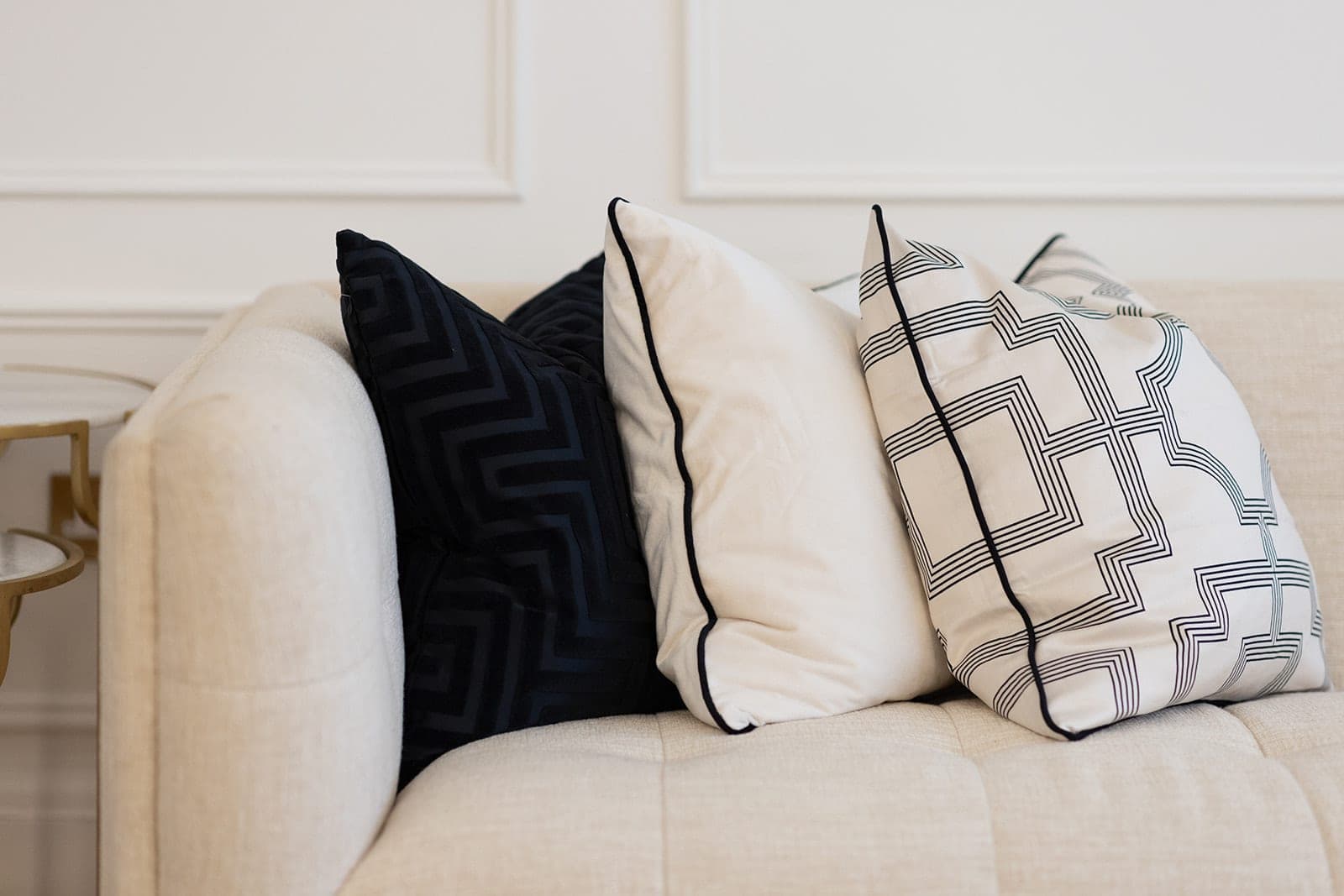
Luxury Should Also Be Personal
Perhaps the most important element of luxury is individuality.
A truly luxurious home should not look as though it has been copied directly from a showroom, magazine, or social media trend.
It should reflect the people who live there.
Your routines, lifestyle, tastes, priorities, possessions, and even the way you entertain should influence the design.
For one person, luxury may mean beautifully organised bespoke storage that removes visual clutter. For another, it may mean an open kitchen designed for entertaining family and friends. It could be a peaceful bedroom, a perfectly planned dressing room, or a living space where every piece has been chosen with intention.
Luxury becomes meaningful when the design responds to your life rather than asking you to adapt your life to the design.
Quality Over Quantity
Creating a luxurious interior does not mean filling every available space.
Often, the opposite approach creates a stronger result.
Investing in fewer, better considered pieces can give a room greater presence than adding furniture and accessories simply to fill it.
A beautifully made dining table, carefully designed cabinetry, quality flooring, or a timeless lighting piece can become part of the home for many years.
When every choice has a reason behind it, the interior begins to feel more refined and more enduring.
That is the difference between decorating for the moment and designing for longevity.
Final Thought
Luxury is not something you should only see when you walk into a room.
It is something you should feel every time you live in it.
It is the ease of moving through a thoughtfully planned space. The warmth created by beautiful lighting. The tactile quality of carefully selected materials. The satisfaction of storage designed around your needs. The quiet consistency of details that have been considered from beginning to end.
Ultimately, luxury is not about spending more.
It is about designing with greater intention.
And when design, functionality, craftsmanship, and personality come together, a home becomes more than visually beautiful.
It becomes unmistakably yours.
Enjoyed This
Let's Talk About Your Home
Book a consultation with Babylon Design Studio and start your project with clarity, from layout to final styling.
Book a Consultation