
Renovation Planning
Before You Start Renovating, Read This
22 April 2026 · By Arwa
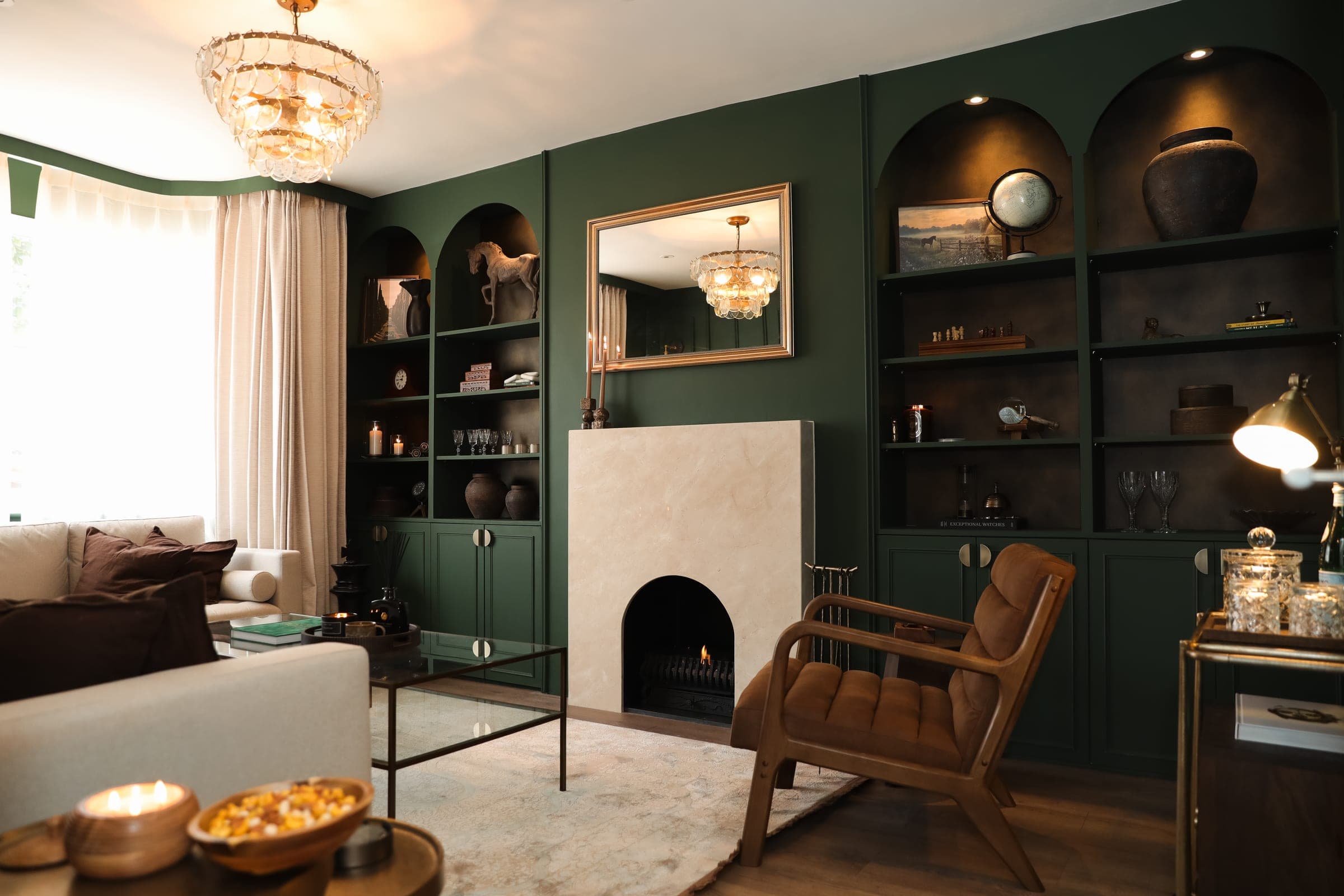
Most renovation mistakes do not happen during construction.
They happen long before the first wall comes down, the first contractor arrives, or the first material is ordered.
After working across different homes, budgets, styles, and client requirements, one pattern appears again and again: people are often eager to begin, but they start making decisions before they have a complete plan.
A renovation can feel exciting in the beginning. You have inspiration saved, ideas for finishes, perhaps a contractor in mind, and a clear picture of how you want the finished home to look.
But inspiration is not the same as a renovation strategy.
Without a clear understanding of the space, scope, budget, layout, lighting, materials, furniture, and sequence of work, even a beautiful vision can quickly become an expensive and stressful process.

The Beginning Shapes Everything That Follows
There is a common assumption that renovation problems are mainly caused by poor workmanship, difficult contractors, delays, or unexpected discoveries on site.
Those things can certainly happen.
But many of the problems that appear during construction can actually be traced back to decisions that were never properly resolved before construction began.
A layout might have been approved before the furniture was considered.
Lighting positions may have been decided without thinking about how the room will actually be used.
Finishes may have been selected individually without understanding how they will work together.
A budget may have been established without accounting for furniture, bespoke joinery, installation, delivery, or contingency costs.
Once construction starts, these unresolved decisions become much more difficult and expensive to change.
This is why the planning stage is not simply preparation for the renovation.
It is part of the renovation itself.
What Happens When You Renovate Without a Clear Plan?
At first, everything can seem manageable.
You choose a flooring sample. You find a kitchen you love. You save a few lighting ideas. You discuss a possible layout with your builder.
It feels like progress.
Then one decision begins affecting another.
The flooring changes, which affects the overall material palette. The lighting positions no longer work because the furniture layout has changed. The sofa you want does not fit comfortably within the proposed layout. The kitchen design needs additional electrical work that was not included in the original quote. A bespoke element takes longer to manufacture than expected.
Suddenly, you are no longer following a plan.
You are solving problems as they appear.
And that is where renovation fatigue begins.
Instead of feeling excited about your home, you find yourself making increasingly important decisions under pressure.
Renovation Decisions Are Connected
One of the biggest mistakes people make is treating each part of the renovation as a separate decision.
In reality, everything is connected.
Your layout affects your furniture. Your furniture affects your lighting. Your lighting affects your electrical plan. Your flooring affects your joinery and transitions between spaces. Your material selections affect your overall colour palette. Your structural decisions influence what is possible aesthetically. Your budget determines where you should invest and where you may need to simplify.
Good interior design considers these relationships before work begins.
When decisions are made together rather than individually, the home becomes more cohesive and the renovation becomes far easier to manage.
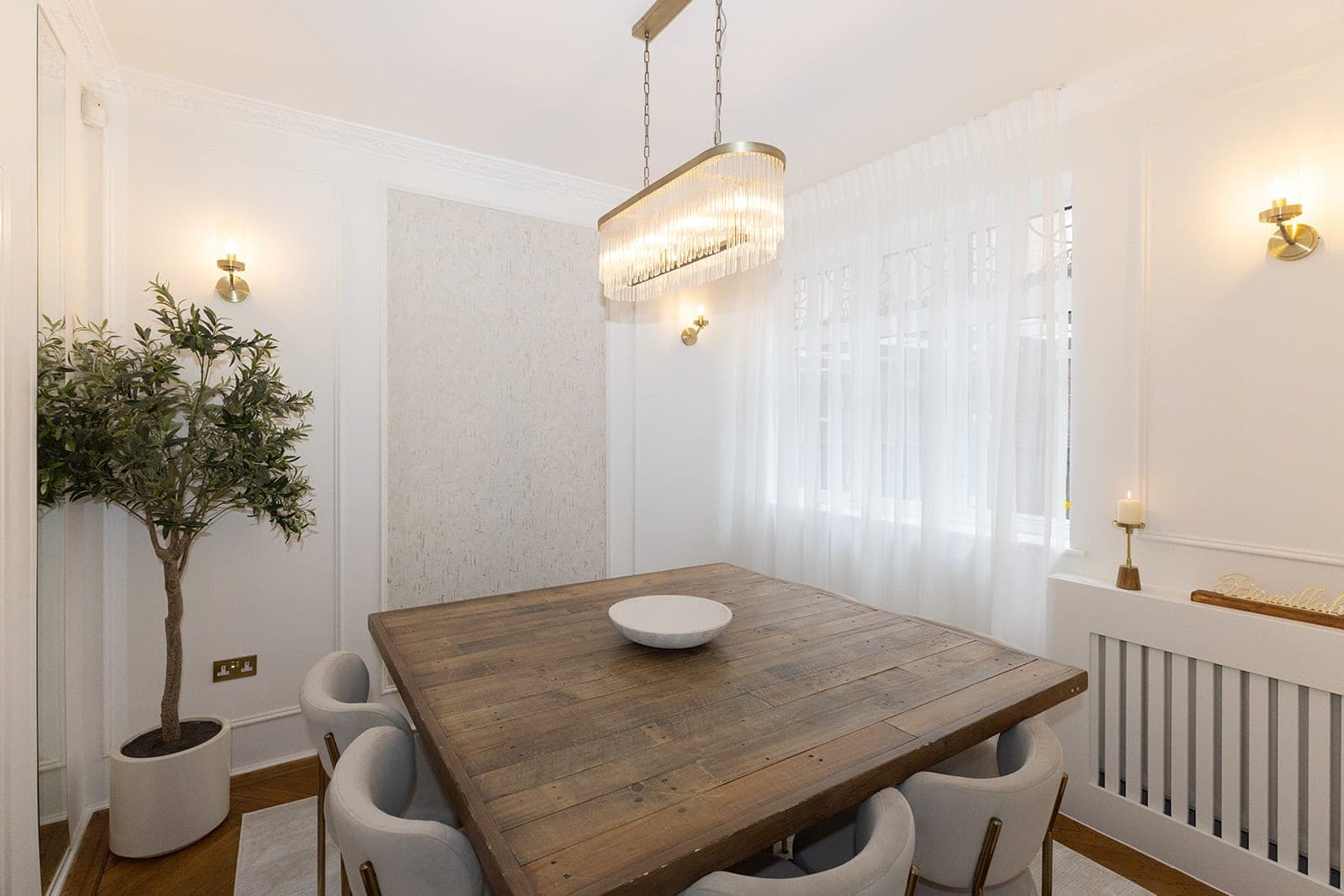
The Real Cost of Figuring It Out As You Go
There is a financial cost to poor planning, but there is also a personal cost that is often overlooked.
Your Budget Starts to Increase
Changing decisions after materials have been ordered or work has begun can mean additional labour, replacement products, cancellation fees, new delivery costs, and wasted materials.
A relatively small change can sometimes affect several other elements of the project.
Your Timeline Starts to Move
Late decisions can interrupt the sequence of work.
If a product has not been selected, ordered, or delivered when it is needed, another trade may not be able to continue.
One delay can create another.
Decision Fatigue Takes Over
Renovations require hundreds of decisions.
When those decisions are made reactively, the process becomes mentally exhausting.
Eventually, even simple choices can begin to feel overwhelming.
You Start Losing Confidence
This is one of the biggest consequences.
When several decisions go wrong, you begin questioning everything.
Should we change the flooring? Is this colour right? Should the lighting move? Did we choose the wrong layout?
Instead of enjoying the process, you become afraid of making another mistake.
Proper planning gives you something extremely valuable: confidence in your decisions.
Why Does This Happen?
Usually, it comes down to a lack of structure at the beginning.
There is no clearly defined design direction. The complete space has not been considered. The scope is still changing. The budget has not been properly allocated. Layout, lighting, materials, furniture, and functionality are being considered separately. And important decisions are being made according to what feels urgent rather than what should logically happen next.
A successful renovation requires a sequence.
You need to know what must be decided first because later decisions will depend on it.
What You Actually Need Before Starting a Renovation
Before construction begins, there are several fundamental questions that should already have clear answers.
1. What Are You Trying to Achieve?
Start with more than aesthetics.
Ask yourself how you want the home to function. What currently frustrates you? What needs to become easier? How do you use each room? How much storage do you need? How do you entertain? What atmosphere do you want the home to have?
The strongest designs respond to real life, not simply to an aesthetic reference.
2. What Is the True Scope of the Project?
A cosmetic refresh and a full renovation are very different projects.
Be clear about whether you are changing finishes, replacing furniture, redesigning layouts, introducing bespoke joinery, renovating kitchens or bathrooms, altering electrical and plumbing services, or making structural changes.
The clearer your scope is, the easier it becomes to establish realistic costs and timelines.
3. What Is Your Realistic Budget?
A renovation budget should be more than one overall figure.
It should consider the different areas where money will be spent, including labour, construction, materials, fixtures, lighting, furniture, joinery, delivery, installation, professional services, and contingency.
This allows you to make strategic decisions about where to invest.
A well planned budget does not restrict good design.
It helps prioritise it.
4. Who Needs to Be Involved?
Depending on the scale of your renovation, your project may involve designers, architects, builders, electricians, plumbers, joiners, decorators, suppliers, and other specialists.
Understanding responsibilities early helps prevent confusion later.
Everyone should understand what they are responsible for, what information they need, and when their work needs to happen.
5. Have You Considered the Entire Space?
Avoid designing individual elements in isolation.
Before committing to major decisions, consider the complete room.
Think about circulation, furniture placement, storage, lighting, electrical points, finishes, window treatments, joinery, and how the room connects to neighbouring spaces.
This is how you move from choosing beautiful things to creating a beautifully designed home.
Why Proper Planning Changes the Entire Renovation Experience
When the planning has been done properly, the renovation becomes far more intentional.
You are not choosing a light fitting and then wondering whether it works with the room. You already understand the lighting concept.
You are not discovering halfway through construction that the furniture layout needs another socket. Those details have already been considered.
You are not making expensive decisions simply because someone needs an answer immediately. You have a framework for making those decisions.
There may still be unexpected challenges because renovation will always involve variables.
But there is a significant difference between dealing with a genuine unforeseen issue and constantly correcting problems caused by incomplete planning.
Inspiration Is Valuable, But It Is Not a Design Plan
Pinterest, Instagram, magazines, showrooms, and beautiful homes can all be valuable sources of inspiration.
But inspiration should be the beginning of the conversation, not the entire strategy.
A photograph cannot tell you whether a particular layout will work in your room.
It cannot account for your ceiling height, natural light, existing architecture, storage requirements, family routines, budget, or the dimensions of your furniture.
The goal is not to recreate somebody else's room.
It is to understand what you love about it and translate those ideas intelligently into your own home.
That requires more than collecting images.
It requires design thinking.
Where Should You Start Instead?
This is exactly why I created the Renovation Starter Checklist.
It is designed to help you slow down before making expensive decisions and understand what needs to happen first.
The checklist helps you think through the foundations of your renovation, including what needs to be considered, what should be clarified early, and which common mistakes you should avoid.
Because the goal is not simply to start your renovation.
The goal is to start it properly.
But A Checklist Can Only Take You So Far
A checklist can tell you what questions you need to ask.
The more difficult part is answering those questions correctly for your particular home.
Every property is different. Every family lives differently. Every budget requires different priorities. And every renovation presents its own opportunities and limitations.
You may know that you need to improve the layout but still be unsure how.
You may understand that lighting needs to be planned early but not know where each fitting should go.
You may have a clear aesthetic direction but struggle to translate it into practical material and furniture selections.
That is where professional guidance becomes valuable.
It turns general renovation advice into decisions that are specific to your home, your lifestyle, and your budget.
Final Thoughts
A successful renovation is rarely the result of luck.
It comes from clarity, structure, preparation, and making the right decisions in the right order.
The most important work often happens before construction begins.
It happens when you define the purpose of the project, understand your space, establish your priorities, resolve your layout, plan your budget, coordinate the different elements, and create a clear direction for everyone involved.
That preparation may not be the most visible part of a renovation.
But it is often the reason the finished home feels effortless.
Planning a Renovation?
If you are preparing to renovate and feel unsure about your layout, design direction, priorities, or next steps, you do not have to figure everything out as you go.
Through my 1:1 Design Consultation, we can look at your space properly and work through the decisions that need clarity before construction begins.
We can review your layout, flow, functionality, design direction, and key renovation decisions so you can move forward with a clearer plan and greater confidence.
Enjoyed This
Let's Talk About Your Home
Book a consultation with Babylon Design Studio and start your project with clarity, from layout to final styling.
Book a Consultation