
Seasonal & Hosting
How to Create a Calm, Elegant Iftar Table at Home
1 March 2026 · By Arwa
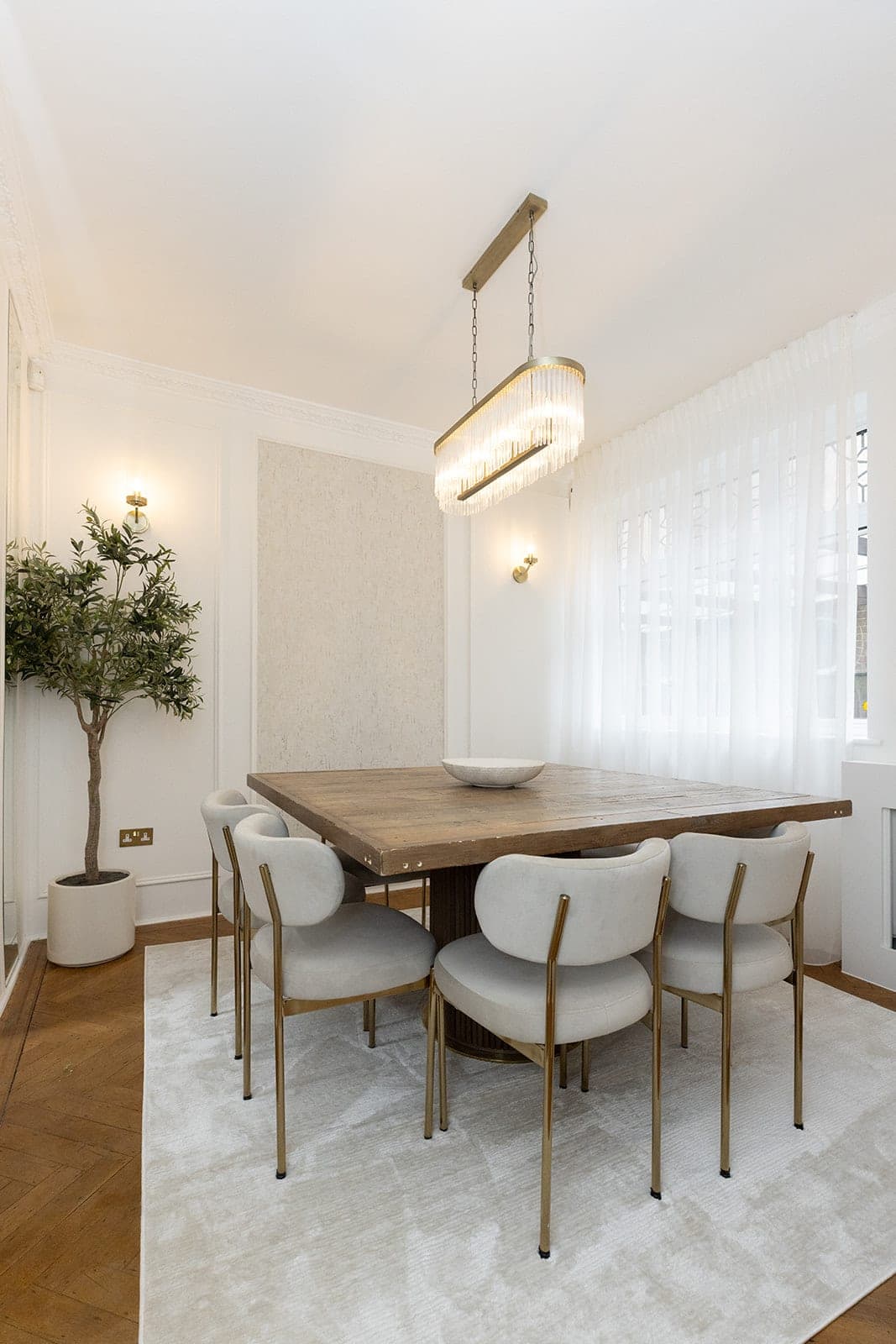
It is not about creating the most elaborate tablescape.
It is not about filling every available space with decoration.
And it is certainly not about impressing the people sitting around your table.
Ramadan is about something much quieter.
It is the pause before Maghrib.
The anticipation as everyone gathers around the table.
The quiet du’a before the first sip of water.
The dates waiting to break the fast.
The conversation that begins after a long day.
And the gratitude of being able to share another iftar together.
For me, designing an iftar table begins with that feeling.
I want the space to feel warm, peaceful, intentional, and welcoming.
Beautiful, but never overwhelming.
Elevated, but still comfortable.
Special, without losing the simplicity that makes Ramadan so meaningful.
Whether you are hosting close family or welcoming friends for iftar, here is how I approach creating a table that feels elegant while keeping the atmosphere at the heart of the design.
Start With Calm and Clear the Visual Noise
Before adding anything to the table, I remove everything.
Everyday clutter.
Random objects.
Unnecessary accessories.
Large decorative pieces.
Anything that does not need to be there.
This gives you a completely blank canvas and immediately changes the way you see the space.
Ramadan tables benefit from breathing room.
There will already be food, serving dishes, water, glasses, plates, and people gathered around the table. If the table is heavily decorated before any of those things arrive, it can quickly begin to feel crowded.
A calmer foundation allows the meaningful elements to stand out.
My Designer Rule
If something does not contribute to the atmosphere or serve a purpose, it does not need to be on the table.
Minimalism does not mean creating an empty or cold space.
It means giving every element room to be appreciated.
Decide How You Want the Table to Feel
Before choosing plates, flowers, candles, or colours, decide on the atmosphere.
Ask yourself:
How do I want everyone to feel when they sit down?
For Ramadan, my answer is usually:
Calm.
Warm.
Grounded.
Welcomed.
Connected.
Once you understand the feeling you want to create, styling decisions become much easier.
Instead of asking whether another decorative piece would look beautiful, you begin asking whether it contributes to the atmosphere.
That small shift creates a much more intentional table.
Lighting Comes Before Décor
Lighting is one of the most powerful ways to change the feeling of a room.
And for an evening iftar, it becomes especially important.
Bright overhead lighting can make even a beautifully styled table feel flat or harsh.
Instead, I prefer to create several softer sources of light.
This could include:
- Warm candles
- LED candles where appropriate
- A softly lit lamp nearby
- Dimmed ceiling lights
- Wall lighting
- Decorative lanterns
The goal is not to make the room dark.
It is to create warmth.
As daylight begins to fade and everyone gathers for iftar, softer lighting creates a natural transition from the activity of the day into the slower rhythm of the evening.
There is something particularly beautiful about that quiet moment just before the adhan when everyone is seated and waiting together.
The lighting should support that stillness rather than compete with it.
Designer Tip
If you are using candles, vary their heights slightly.
A combination of smaller and taller candles can create dimension without requiring a large centrepiece.
Just make sure they do not obstruct anyone's view across the table.
Layer Your Tableware Without Overstyling It
An iftar table can feel special without becoming formal or theatrical.
I prefer simple layering.
Start with a neutral foundation and build gradually.
You might use:
- A simple base plate
- A textured or subtly patterned dinner plate
- Clean glassware
- Linen or soft fabric napkins
- Elegant but understated cutlery
The tableware does not need to match perfectly.
In fact, subtle differences in texture can make the setting feel more natural and considered.
Cream ceramics, linen napkins, clear glassware, stoneware plates, and brushed metal details can work beautifully together.
The key is keeping the overall palette connected.
Introduce Texture Instead of More Colour
When a table feels too simple, the instinct is often to add another colour.
But you may not need more colour.
You may need more texture.
Texture gives a neutral table richness without making it visually busy.
Consider introducing materials such as:
- Linen
- Cotton
- Stoneware
- Natural timber
- Matte ceramics
- Brushed metal
- Clear or lightly textured glass
A cream linen napkin beside a handmade ceramic plate can create more visual interest than adding several strong colours.
This is one of my favourite ways to create understated luxury.
The table feels layered and elevated, but nothing is demanding attention.
Let the Dates Have Their Own Moment
Dates are not simply another item on the Ramadan table.
They are part of the ritual of iftar itself.
That makes them worthy of thoughtful presentation.
Rather than placing commercial packaging directly on the table, transfer the dates into something simple and beautiful.
You could use:
- A small ceramic bowl
- A shallow serving dish
- A simple wooden tray
- A decorative plate
If you like, add walnuts or almonds alongside them.
But keep the presentation simple.
The dates do not need elaborate styling.
Their significance already gives them presence.
I like positioning them somewhere accessible and central so that everyone can reach them comfortably when it is time to break the fast.
Sometimes the most meaningful element on the table should also be the simplest.
Keep Your Centrepiece Low and Intentional
A centrepiece should enhance the table, not dominate it.
For Ramadan gatherings especially, conversation and connection should remain central.
Guests should be able to see one another clearly across the table.
This is why I generally avoid large floral arrangements or tall decorative pieces.
Instead, consider:
- Low floral arrangements
- Small clusters of candles
- One carefully chosen lantern
- A simple greenery arrangement
- A few small decorative vessels
You do not need to use all of these.
Choose one direction and keep it restrained.
Designer Note
Variation in height creates visual interest.
Obstruction does not.
Before your guests arrive, sit in one of the chairs and look across the table.
If the centrepiece blocks your view of the person opposite you, simplify it.
Choose a Soft, Grounded Colour Story
For Ramadan, I naturally gravitate towards colours that feel peaceful and grounding.
Warm neutrals work beautifully because they create an understated foundation that allows food, candlelight, and natural textures to become part of the visual experience.
Consider colours such as:
- Cream
- Warm white
- Taupe
- Sand
- Soft gold
- Muted green
- Earthy brown
- Natural timber tones
You can introduce slightly deeper colours if they complement your home, but the palette does not need to be traditionally associated with Ramadan.
Your table should still feel connected to your interior.
That creates a much more sophisticated result than introducing an entirely separate decorative theme for one month.
Work With the Home You Already Have
You do not need to buy a new collection of Ramadan décor every year to create a meaningful setting.
Look around your home first.
Perhaps you already own beautiful neutral plates.
Maybe there is a ceramic bowl that could hold the dates.
A vase from another room could become your centrepiece.
Your everyday linen napkins might be perfect once paired with candlelight and carefully arranged tableware.
One of the principles I return to constantly in interior design is that thoughtful styling is not necessarily about having more.
It is about seeing what you already own differently.
A beautiful Ramadan table can be created with surprisingly few elements when each one has been chosen intentionally.
Consider the Food Before Styling the Table
This is something that is often forgotten when people create elaborate tablescapes.
Your table still needs to function.
If you serve food family style, you will need enough space for dishes to be placed comfortably.
Water needs to be accessible.
Dates should be easy to reach.
People need enough room for their plates and glasses.
If you fill the entire centre of the table with decorations, you may find yourself removing half of them just before iftar.
Before finishing the styling, imagine the table once the food arrives.
Where will everything go?
Practicality is part of good design.
A table that looks beautiful but does not function for the meal has missed its purpose.
Add Small Personal Touches
If you want the table to feel more special, consider small details rather than large decorative gestures.
Perhaps you use your favourite serving dishes.
You could fold the napkins slightly differently.
Add a small handwritten place card for a larger gathering.
Use a family serving bowl that carries memories.
Bring out tableware you usually save for special occasions.
These details make the table feel personal rather than staged.
They also remind us that beautiful things do not need to remain stored away waiting for the perfect occasion.
Sharing iftar with the people you love is already a special occasion.
Make Room for the People
This sounds obvious, but it is perhaps the most important design principle.
The people around the table matter more than the table itself.
Make sure chairs have enough room.
Avoid overcrowding each place setting.
Keep serving dishes accessible.
Allow children to feel comfortable.
Create enough flexibility for someone to pull up another chair if needed.
A beautifully designed gathering should make people feel relaxed, not afraid to move something.
Good hosting is not about protecting the tablescape.
It is about creating a space where people feel welcome.
Make It About Atmosphere, Not Perfection
The most beautiful Ramadan tables are not necessarily perfect.
They are lived in.
Someone will move a napkin.
A glass might spill.
Serving plates will appear in places you did not plan.
Children may reach across the table.
Someone may arrive late.
The candles may not all stay perfectly positioned.
And none of that matters.
The goal is not to create a photograph.
The goal is to create an atmosphere.
A table that welcomes people.
A space that encourages conversation.
A setting that supports reflection and gratitude.
Design should hold those moments.
It should never overpower them.
My Personal Hosting Philosophy During Ramadan
As a designer, I believe our surroundings influence the way we experience everyday life.
The way a room is lit, arranged, and styled can change how we feel within it.
And during Ramadan, when our routines naturally become more intentional, I think our homes can support that shift beautifully.
When I prepare a dining space for iftar, I ask myself:
Does this room feel calm?
Can everyone sit comfortably?
Does the table encourage connection?
Is there enough space for the meal itself?
Does the atmosphere feel warm and welcoming?
Does the setting reflect gratitude rather than excess?
Those questions matter more to me than whether every plate matches or every decorative detail is perfect.
Ramadan hosting is not about showcasing abundance.
It is about creating warmth around what we have.
Sometimes Simple Is More Memorable
You do not need an elaborate tablescape to create a beautiful Ramadan memory.
Sometimes all it takes is:
A clear table.
Your favourite plates.
Soft linen.
Warm lighting.
A small bowl of dates.
Food prepared with care.
And the people you love sitting around you.
Those are often the tables we remember.
Not because everything was perfectly styled, but because of how the evening felt.
Final Thoughts
If you are hosting this Ramadan, try not to overthink your table.
Start by clearing it.
Choose a simple colour palette.
Bring out the plates you love.
Add soft lighting.
Place your dates beautifully.
Keep the centrepiece low.
Leave room for the food.
And most importantly, leave room for life to happen around the table.
Because Ramadan does not require perfection from our homes.
It invites intention into them.
Your dining table can become a place for gathering, gratitude, conversation, reflection, and shared moments that stay with you long after the plates have been cleared.
Ramadan deserves to be felt throughout the home, and sometimes that feeling begins with something as simple as gathering around a thoughtfully prepared table.
Enjoyed This
Let's Talk About Your Home
Book a consultation with Babylon Design Studio and start your project with clarity, from layout to final styling.
Book a Consultation