
Renovation Planning
The Biggest Mistake People Make When Redesigning Their Home
24 January 2026 · By Arwa
Most homeowners approach redesign with good intentions.
They save inspiration. They collect ideas. They know something about the home isn’t working, and they are motivated to change it.
And yet, many redesign projects end with the same quiet frustration:
“We spent time and money… but it still doesn’t feel right.”
This outcome is rarely about poor taste or lack of effort.
It usually comes down to one fundamental mistake.
The biggest mistake: starting with decisions instead of direction
The most common and costly mistake people make when redesigning their home is jumping straight into decisions before establishing a clear direction.
Decisions about:
colours
furniture
finishes
lighting
layouts
are made without understanding how they should connect.
Without direction, each decision is isolated. Even good choices can feel wrong when they are not part of a bigger plan.
A sofa might be beautiful. A kitchen finish might be high quality. A paint colour might look perfect on its own.
But when these choices are not aligned, the home becomes a collection of individual items rather than a cohesive space.
Why this happens so often
This mistake happens because redesign is often treated as a series of tasks rather than a strategic process.
People feel pressure to:
act quickly
“get started”
take advantage of sales
follow what they see online
Social media reinforces this. Platforms show finished rooms, not the thinking behind them.
What is missing is the invisible work:
understanding how the home functions
defining priorities
creating a framework for decisions
Without this groundwork, redesign becomes reactive.
How redesign turns into constant second-guessing
When direction is missing, homeowners start to feel uncertain very quickly.
Common signs include:
changing your mind repeatedly
feeling anxious about purchases
questioning decisions after they are made
comparing your home to others constantly
worrying that things won’t “match” later
This mental load is exhausting.
Instead of enjoying the process, redesign becomes a source of stress even before any work begins.
Why starting with finishes is especially risky
One of the most frequent expressions of this mistake is starting with finishes.
Paint colours are chosen before layout is resolved. Furniture is purchased before scale is understood. Lighting is selected without considering how the space will be used.
Finishes are visible, so they feel like progress.
But finishes are the final layer of a well-designed home, not the foundation.
When finishes come first:
layouts are compromised
furniture doesn’t fit properly
lighting feels insufficient or misplaced
storage solutions become awkward
changes later become expensive
Good design works in reverse.
The role of layout, flow, and function
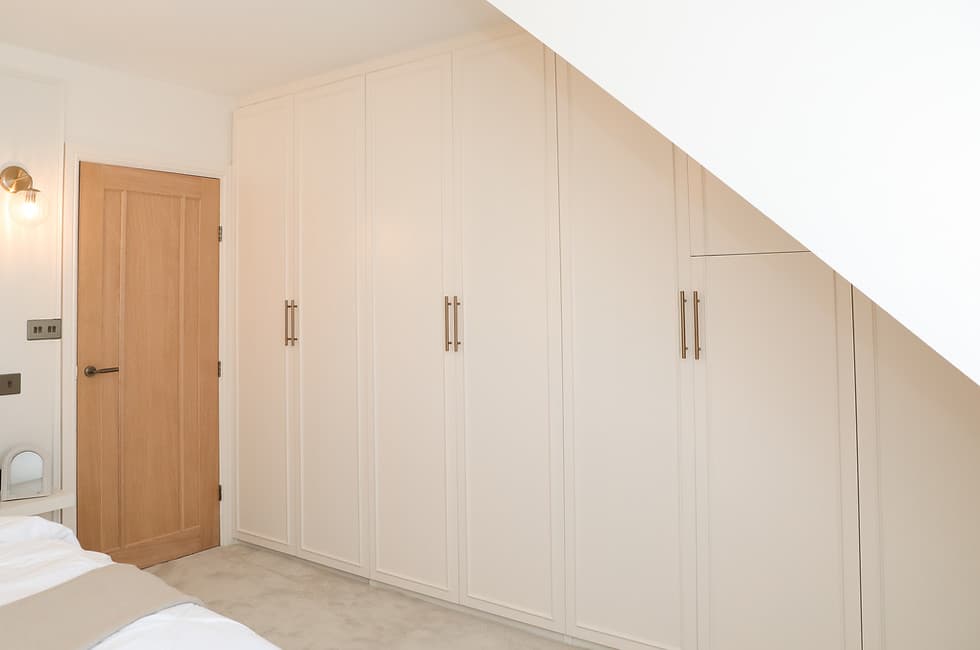
Before any aesthetic decisions are made, three things need to be clear:
how you move through the space
how rooms connect
how each space supports daily life
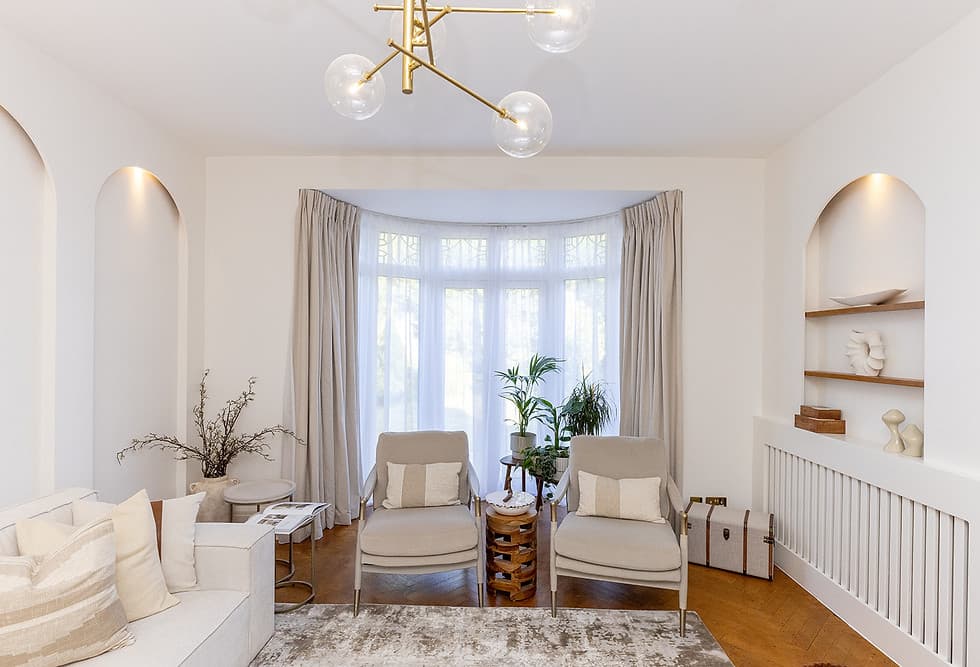
Layout and flow determine:
whether a room feels calm or cramped
how furniture can be arranged
where storage is needed
how light travels through the home
When these are resolved early, aesthetic decisions become far easier and far more successful.

How good direction changes everything
Direction is not a style label.
It is a clear understanding of:
how the home should function
what matters most to the household
what needs to stay consistent across spaces
what can change from room to room
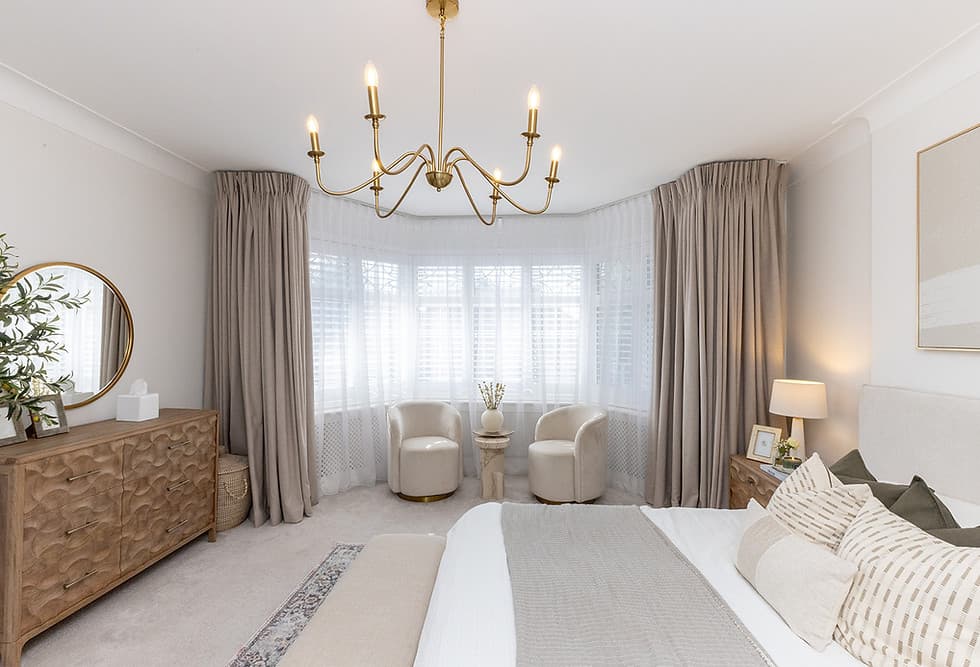
With direction in place:
decisions feel lighter
choices make sense quickly
purchases feel confident rather than risky
the home starts to feel cohesive
Direction removes noise.
Why copying inspiration rarely works
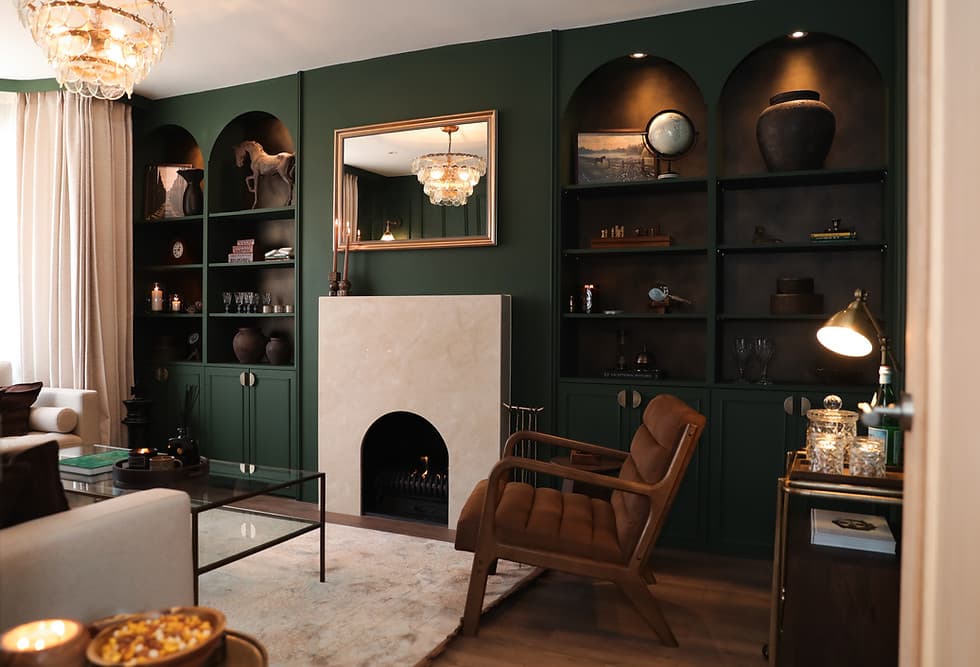
Another part of this mistake is copying inspiration without context.
A room that works beautifully for someone else may not work in your home because:
the layout is different
the proportions are different
the lifestyle is different
the lighting is different
Inspiration should guide thinking, not replace it.
Design must respond to the home and the people living in it.
How to avoid this mistake entirely
Avoiding this mistake does not require doing everything at once.
It requires doing things in the right order.
A strong redesign process begins with:
Understanding how the home is used
Identifying pain points and priorities
Resolving layout and flow
Establishing a clear design direction
Making aesthetic decisions last
This sequence creates clarity and prevents regret.
Why professional guidance matters at the beginning
Many people seek help once they feel stuck.
But the most valuable guidance often comes at the start.
Early-stage support helps:
clarify priorities
avoid unnecessary spending
prevent conflicting decisions
create a roadmap for the project
This does not always mean committing to a full redesign immediately. Sometimes a single planning session can save months of uncertainty.
Looking ahead
Redesigning a home is not about making more choices.
It is about making better ones.
The biggest mistake is not choosing the wrong colour or the wrong sofa.
It is choosing without direction.
If you are planning changes to your home in 2026, begin by stepping back rather than rushing forward. Clarify the direction first. Everything else becomes easier once that is in place.
Consultation bookings for 2026 home transformations are open. Planning can begin now, with work starting when the timing is right for you.
The goal is not to redesign faster.
The goal is to redesign wisely.
Enjoyed This
Let's Talk About Your Home
Book a consultation with Babylon Design Studio and start your project with clarity, from layout to final styling.
Book a Consultation